
This website uses affiliate links that may earn commission from purchases. This is at no additional cost to you.
Day 12 of Cookiemas 2025.
Jump to Recipe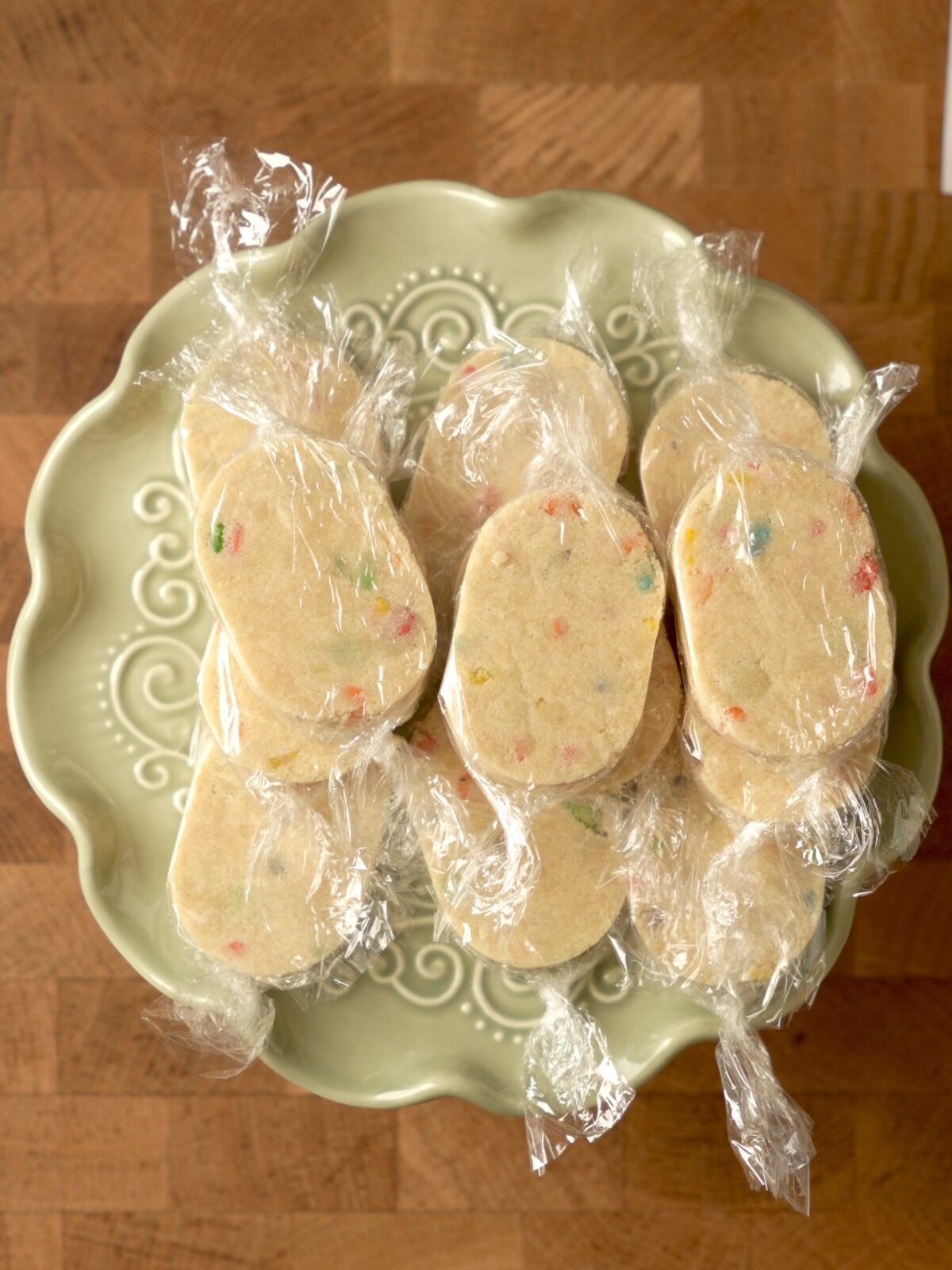
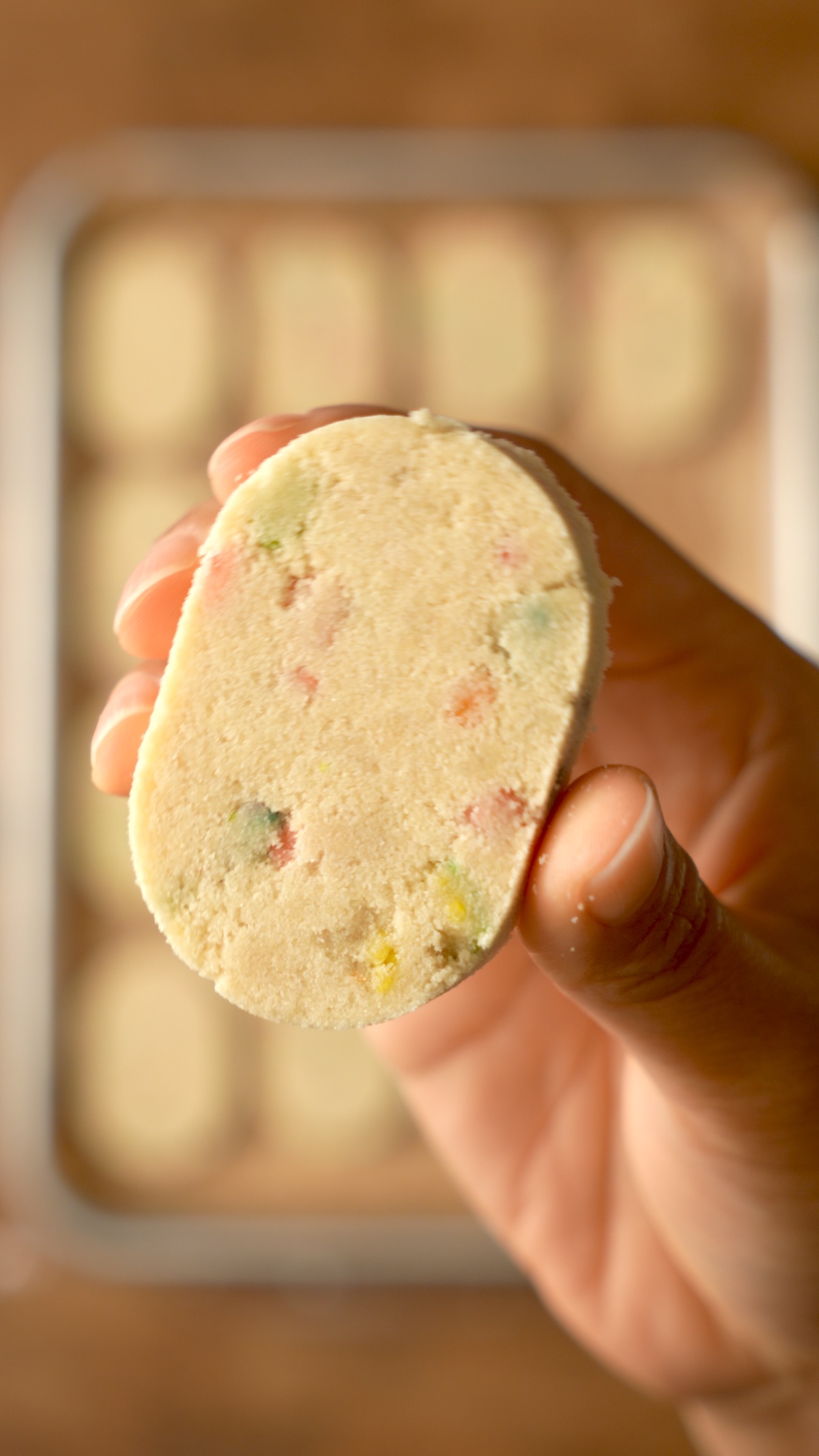
This cookie is called Polvoron and it’s a very popular treat in the Philippines. It’s the crumbliest, milkiest cookie you’ll have.
There’s NO baking required BUT you do have to cook the flour by toasting it.
My family always brings back polvoron from the Philippines and my siblings and I will fight over the pinipig flavor – pinipig is crunchy pounded rice so you get crunchy bits in the polvoron within the milky powder.
Usually I see polvoron flavors like plain, cookies and cream, or with pinipig but today we’re gonna add fruity pebbles! I never really liked fruity pebbles, but in polvoron it BLEW MY MIND.
There’s a traditional polvoron mold using a spring but I got this one that separates because it feels more sturdy. I hope it lasts longer so I can crank out a bunch of polvoron for my family and friends.
What is Polvoron?
Polvoron is a “no bake” milk powder cookie from the Philippines. It crumbles easily and is served with a variety of toppings.
This polvoron recipe uses fruity pebbles which has a great texture but with a bit of extra sweetness.
Polvoron Variations
Polvoron can be simply “plain” with no extras mixed in. However, the most traditional version of polvoron is mixes in pinipig which is flatted grains of rice that is toasted to a crunchy texture.
There are other versions that use ube powder which turns the polvoron purple. On top of this, you can also find oreo, chocolate, coffee, and all sorts of nuts mixed in.
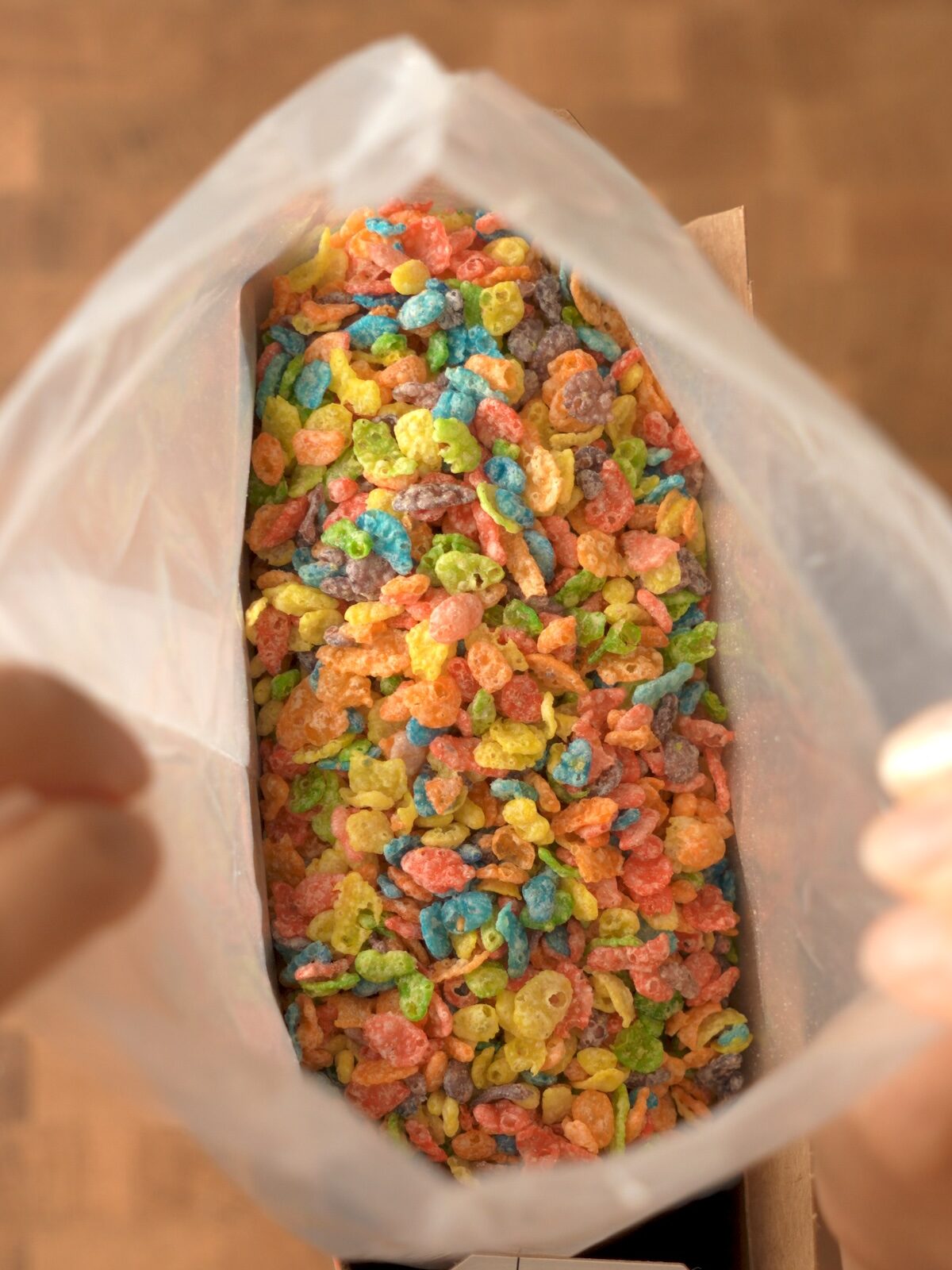
This recipe uses fruity pebbles.
Caster Sugar vs Granulated Sugar
Caster sugar is generally finer than the common granulated sugar but coarser than powdered sugar. Caster sugar can be important to make sure the texture of your item doesn’t not have that granulated sugar crunch.
This recipe calls for caster sugar so that the texture of the cookie remains as fine as possible. However, if you do not have caster sugar, you can use granulated sugar. It won’t ruin the recipe.
How to Make Polvoron Step-by-Step
For full list of ingredients and detailed steps, check out the bottom of this page.
Polvoron is very simple to make and includes no baking. The “cooking” part comes from toasting the raw flour. Once you do that, just mix all the dry ingredients, then add butter and fruity pebbles.
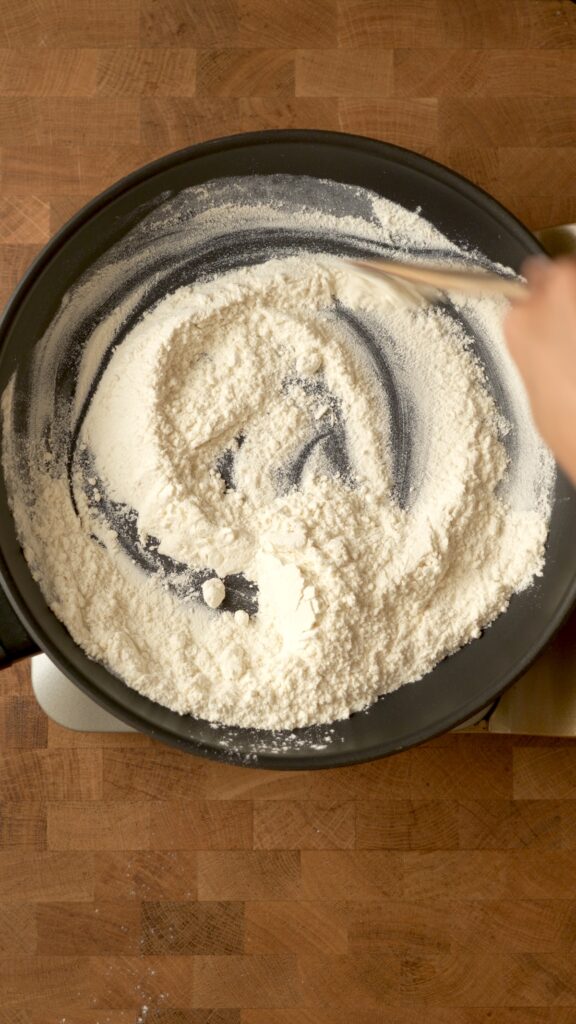
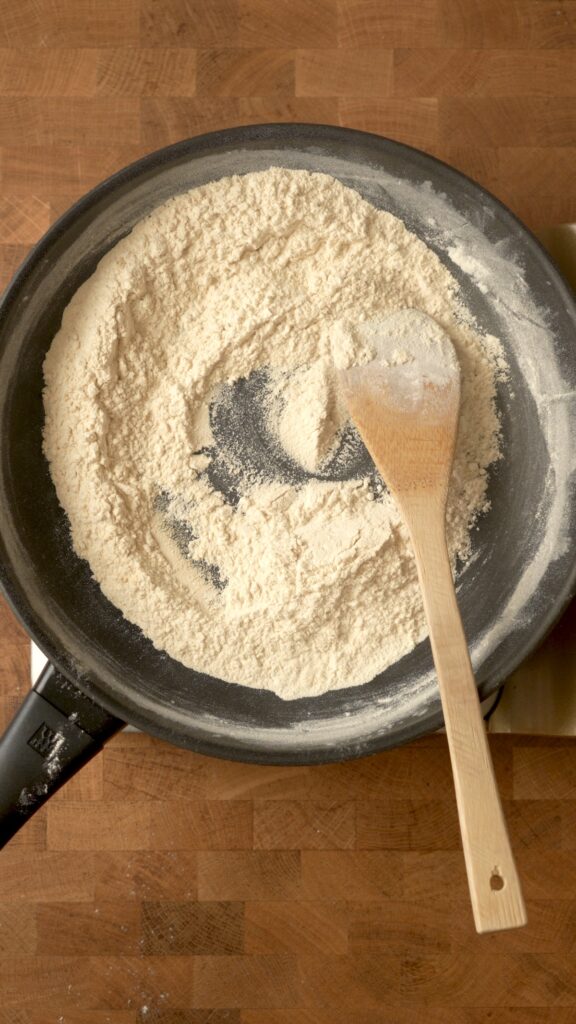
First, toast the flour directly in a pan. You want to constantly stir it to make sure it does not burn.
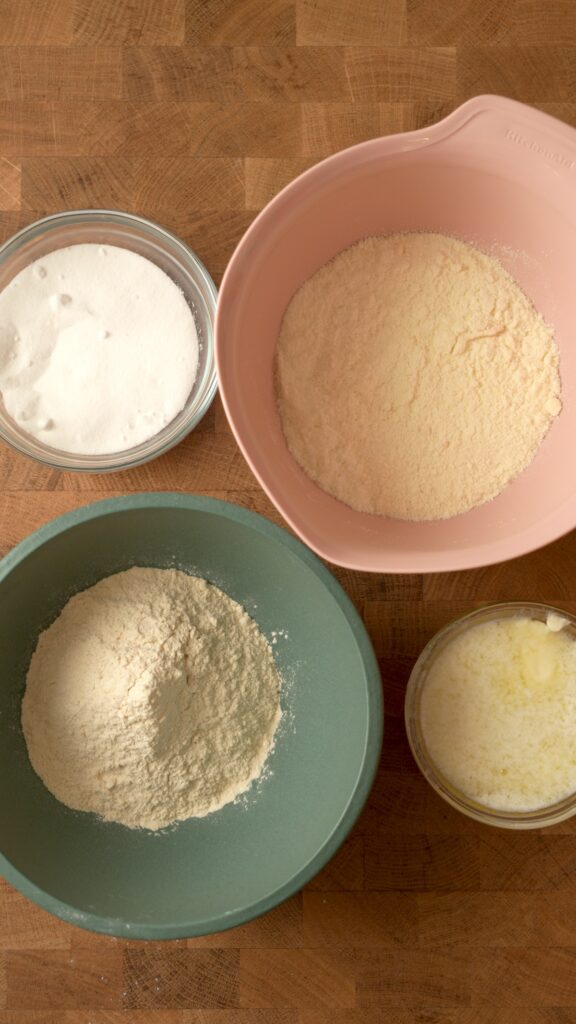
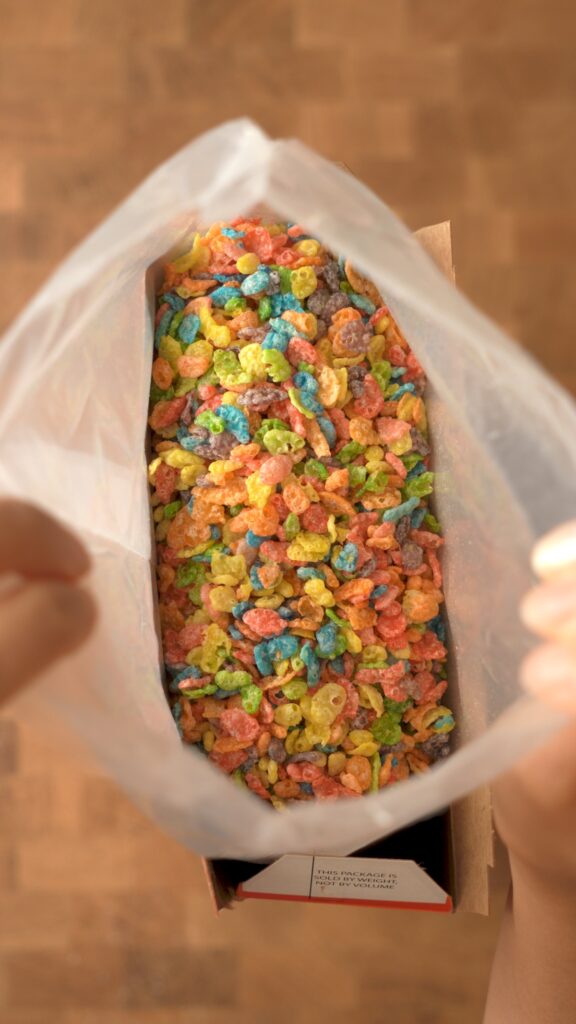
These photos are just the ingredients: toasted flour, caster sugar, milk powder, salt, and butter on the left. Fruity pebbles on the right.
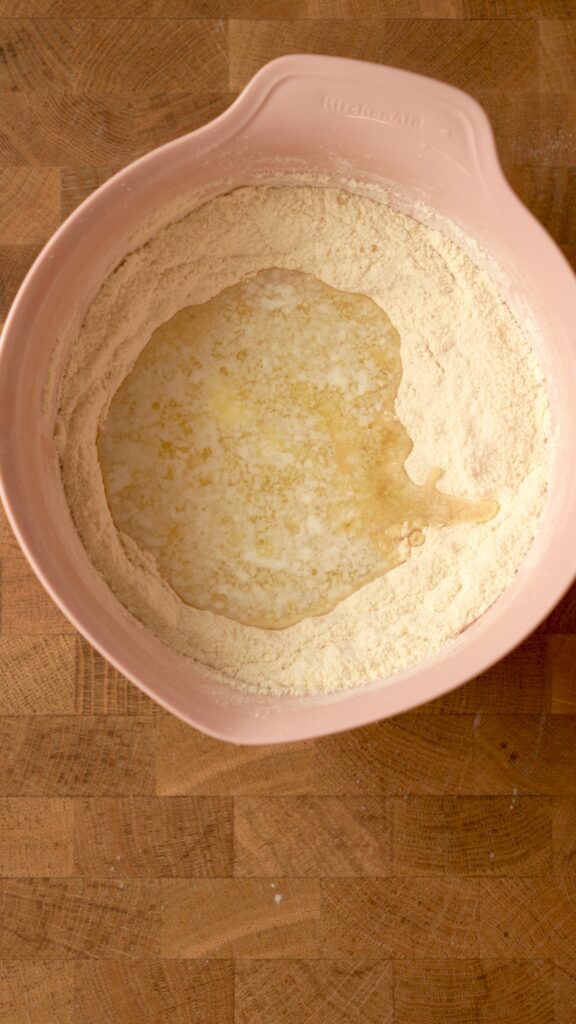
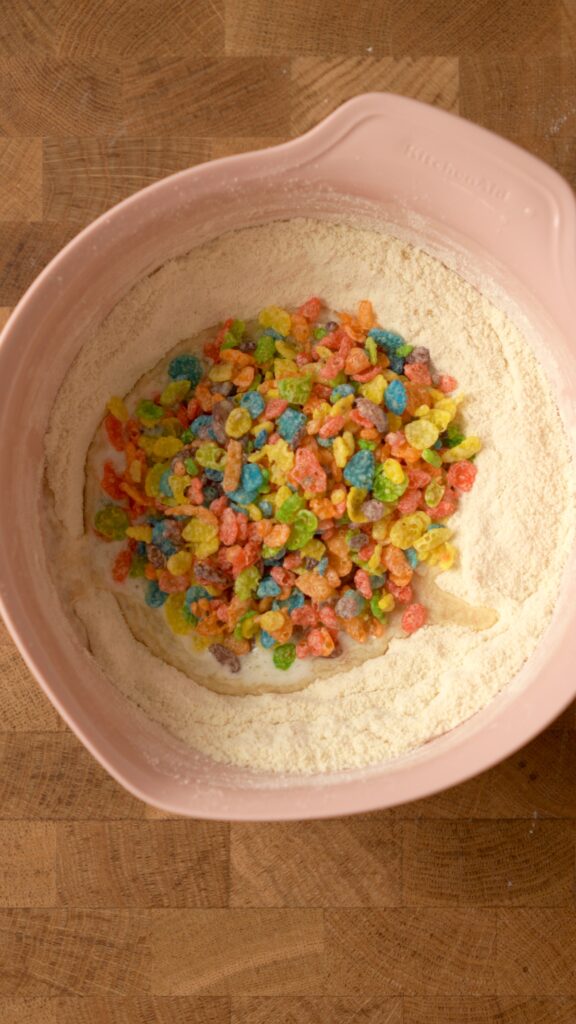
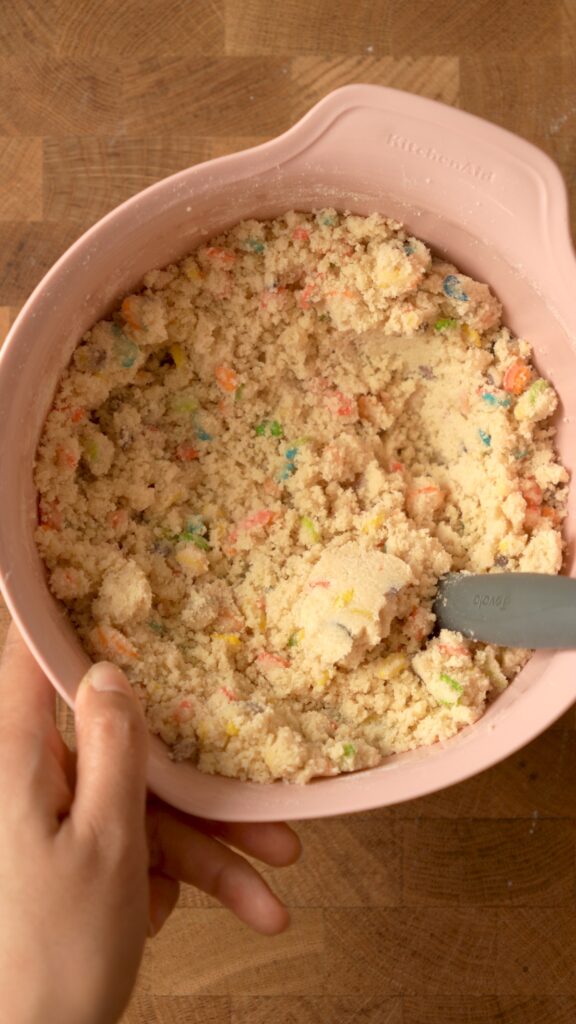
Mix the dry ingredients. Add the butter. Then add the fruity pebbles. Mix it all together. The dough will be quite dry and crumbly.
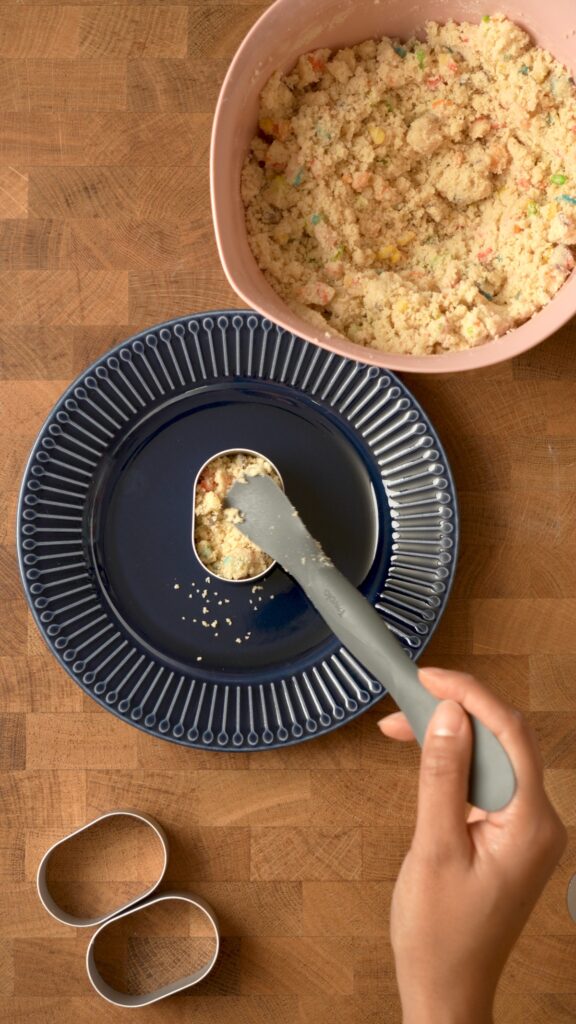
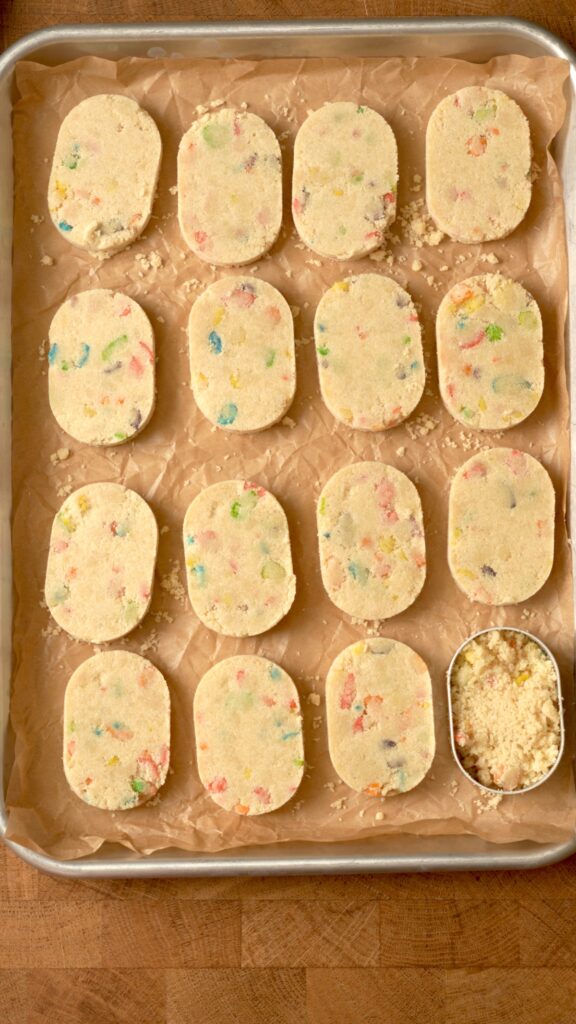
Using a polvoron mold, shape as many cookies as your dough allows.
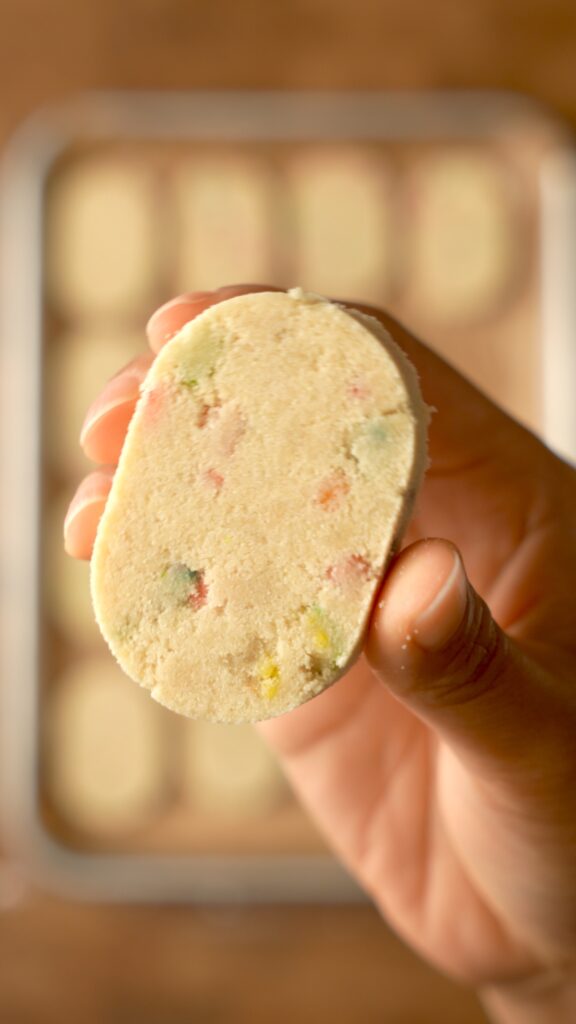
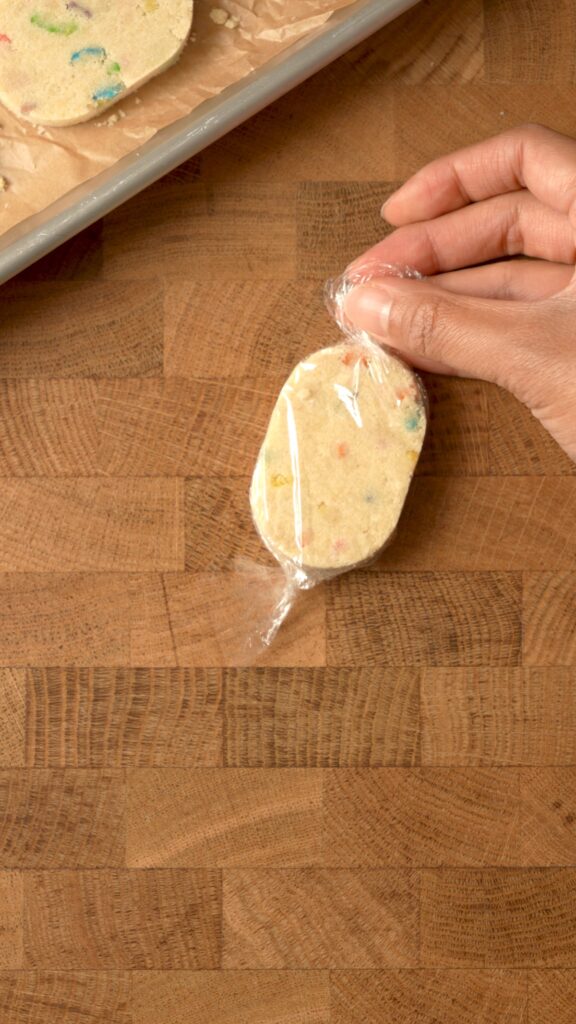
Leave the polvoron to harden. You could also put them in the fridge and freezer to harden up.
FAQs
Polvoron are actually not baked. The only “cooking” involved is toasting the flour.
Polvoron has powdered milk powder, not actual milk. This give it the crumbly texture
This recipe is for fruity pebbles but polvoron come is many different variations. Others include ube, nuts, Oreos, and most traditional: pinipig.
No, you do not need caster sugar. Caster sugar helps the cookie remain as fine as possible. If you do not have caster sugar, you can use common granulated sugar.
Recipe
Ingredients
Method
- In a medium saucepan, toast the all-purpose flour. Be sure to stir frequently to prevent burning. You will know its done when it turns a light brown color. Let it cool for a few minutes.
- In a large mixing bowl, mix together toasted flour, caster sugar, powdered milk, and salt. Caster sugar gives the polvoron a more ideal texture but you can substitute granulated sugar.
- Add in the warm melted butter and fruity pebbles. Mix until it is fully incorporated. The mixture should be crumbly and dry.
- Use the mold to shape your cookie on a plate, baking sheet, or other flat surface.
- Let the cookies cool to room temperature and solidify. You can also put in the fridge or freezer to accelerate the process but it shouldn't take too long otherwise.
- Wrap in cellophane plastic or just eat right away!
Tools & Equipment
KitchenAid Stand Mixer
I absolutely LOVE my tilt head stand mixer. I can’t imagine baking without it.
Polvoron Molds
These molds get the job done to get that traditional shape for polvoron.
Other Cookie Recipes
This was Day 12 of Cookiemas! Here’s the other days:
- Caramel Cuts. Really just brown sugar blondies. Very soft and tasty from Doug’s childhood
- Anzac Biscuits. An Australian oat cookie with coconut. I actually had to make this again at the request of my mom.
- Vaniljekranse. Danish Butter Cookies. Like the ones you find in the tins.
- Sagu Keju. Tapioca and Cheese Cookies. Very powdery and cheesy.
- Roccoco. An Italian spice cookie. Full of holiday flavors.
- Korekomki. A Bulgarian ballerina cookie that is like pie crust covered with vanilla sugar.
- Mbatata. African cookies made with sweetpotatoes and raisins.
- Pradobranci. Balkan macarons but easier than macarons.
- Pizzelle. Traditional Italian waffles.
- Lemonade Cookies. Made with sour cream, these cookies are soft and cakey with a delightfully bright lemon icing.
- Verguny. Ukrainian fried “cookies” that I think resemble fried donuts.